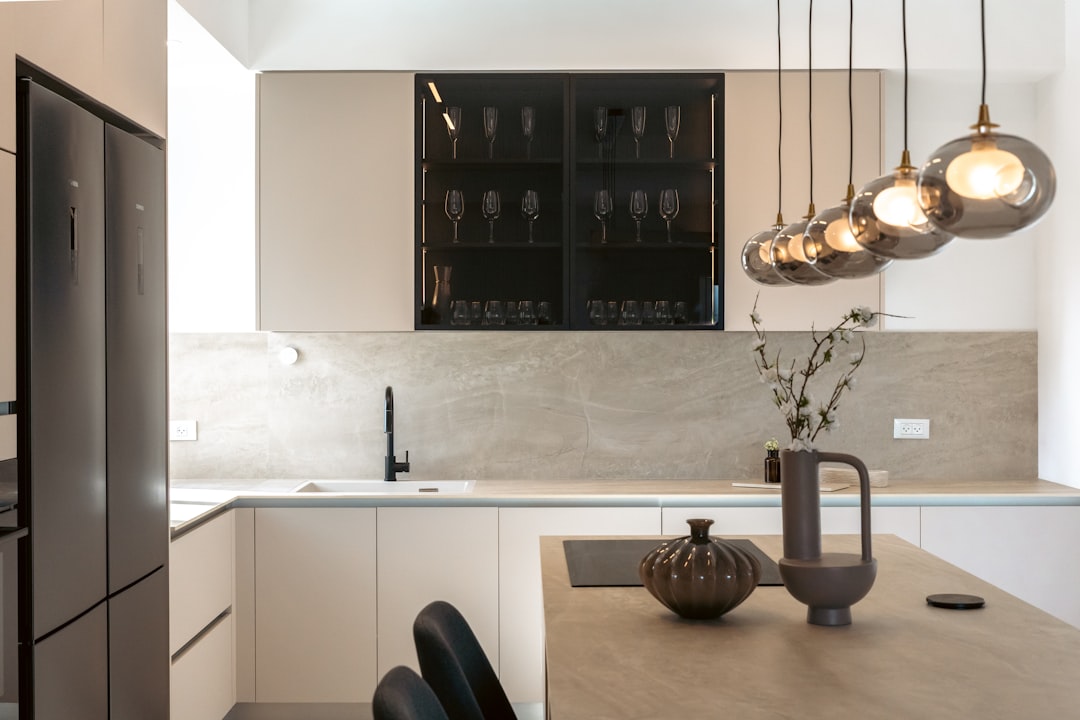
In a crowded marketplace, standing out demands more than just a logo or a catchy tagline. It requires a commitment to excellence that resonates with discerning audiences. This is where design premium comes into play—a philosophy that prioritizes quality, detail, and timeless appeal over mass production. By embracing this approach, brands can forge deeper connections with customers who value authenticity and sophistication.
The Essence of Design Premium in Modern Branding
Design premium is not merely about using expensive materials or hiring top-tier designers. It represents a holistic mindset that elevates every touchpoint. From packaging to digital interfaces, every element must convey a sense of exclusivity and care. For instance, luxury watch brands like Patek Philippe exemplify this by focusing on intricate movements and heritage. Consequently, customers perceive their products as investments rather than mere commodities. Observing case studies on Identity Designed reveals how top-tier brands achieve this cohesion.
Material Selection and Craftsmanship
At the heart of any premium design lies the choice of materials. Authentic leather, solid wood, or high-grade metals immediately signal durability and refinement. However, craftsmanship is equally critical. Skilled artisans who pay attention to every seam or finish create an emotional connection. Moreover, sustainable sourcing adds another layer of value, appealing to eco-conscious buyers. The Brand New Blog often showcases how material choices influence brand perception in logo redesigns.
Key Elements That Define a Design Premium Approach
To achieve a design premium status, brands must integrate several core elements consistently. First, simplicity often prevails—clean lines and uncluttered layouts suggest confidence. Second, attention to detail, such as custom stitching or embossed logos, makes a product feel personal. Third, functionality should never sacrifice aesthetics; a beautifully designed chair must still be comfortable.
- Exclusivity: Limited editions or made-to-order items enhance perceived value.
- Consistency: All brand assets must align visually and tonally.
- Storytelling: Sharing the design process or heritage builds authenticity.
How to Implement Design Premium Across Your Brand
Implementing this strategy requires deliberate steps. Begin by auditing your current offerings to identify gaps in quality perception. Next, invest in packaging that feels substantial—think textured paper or magnetic closures. Additionally, train your team to communicate the story behind each design choice. For example, a furniture brand might highlight how each piece is hand-finished by local artisans. For inspiration, explore how companies rebrand on Brand New Blog and study successful transformations on Identity Designed.
- Identify your premium pillars (e.g., materials, service, heritage).
- Redesign key touchpoints with a focus on sensory experience.
- Collect feedback from loyal customers to refine details.
Finally, maintain a consistent visual language across web, print, and physical spaces. This coherence reinforces the design premium promise at every interaction.
Frequently Asked Questions
Q: What industries benefit most from a design premium strategy? A: While luxury goods like fashion and jewelry are obvious, many B2B companies also thrive by adopting premium aesthetics in their office spaces or product interfaces.
Q: How can small businesses afford a design premium approach? A: Start with one flagship product or a limited collection. Focus on exceptional quality and storytelling rather than scale.
Q: Does design premium always mean higher prices? A: Not necessarily. It often leads to higher perceived value, which can justify a premium, but the cost can be offset by reducing waste or streamlining production.
In conclusion, embracing design premium is a strategic move that differentiates brands in an oversaturated market. By prioritizing quality, detail, and emotional resonance, businesses can cultivate lasting loyalty and command respect. The journey requires effort, but the rewards—a devoted customer base and a distinctive identity—are well worth it.