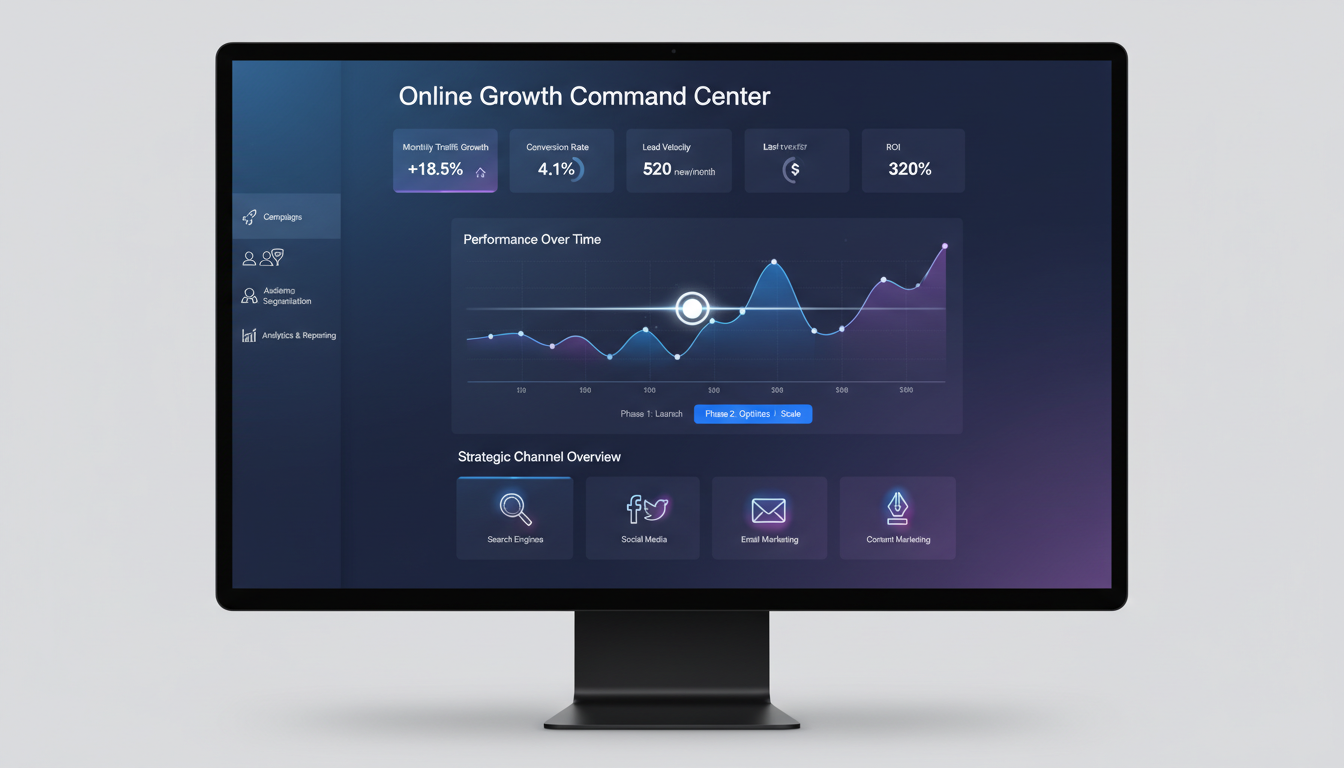
Digital marketing encompasses all marketing efforts that use an electronic device or the internet. Businesses leverage various digital channels like search engines, social media, email, and websites to connect with current and prospective customers. Essentially, it’s about reaching your audience where they spend most of their time: online. This powerful approach allows for precise targeting, measurable results, and unparalleled flexibility. Furthermore, a well-executed digital marketing strategy is essential for modern businesses aiming for sustainable growth.
Why Modern Businesses Embrace Digital Promotional Strategies
The landscape of consumer behavior has dramatically shifted, making a strong online presence indispensable for any modern enterprise. Consequently, companies must adapt their outreach methods to remain competitive and relevant. Embracing digital promotional strategies allows businesses to engage with a broader audience, often at a fraction of the cost of traditional advertising.
Furthermore, these strategies offer unparalleled insights into consumer preferences and campaign performance. Businesses can track everything from website visits to conversion rates, enabling data-driven decisions. Ultimately, this leads to more effective resource allocation and a higher return on investment for marketing spend.
The Core Pillars of Digital Marketing
Understanding the different facets of digital marketing is crucial for crafting a successful online strategy. Each component plays a unique role, yet they often work in synergy to achieve overarching business objectives. By integrating various tactics, organizations can create a robust and comprehensive presence across the digital sphere.
Search Engine Optimization (SEO)
SEO involves optimizing your website and content to rank higher in search engine results pages (SERPs). Therefore, when potential customers search for products or services related to your business, your site is more likely to appear prominently. This organic visibility is incredibly valuable, as it builds trust and drives qualified traffic. For those looking to dive deeper, a comprehensive understanding of SEO is paramount for digital success.
Key elements of a robust SEO strategy include keyword research, on-page optimization, technical SEO, and building high-quality backlinks. Furthermore, creating compelling and valuable content is foundational to attracting and engaging an audience, making a solid content marketing guide an indispensable resource. Moreover, continually monitoring search algorithm updates is essential to maintain or improve rankings over time.
Maximizing Reach with Digital Marketing Channels
While SEO focuses on organic results, SEM primarily involves paid strategies to increase search engine visibility. This often includes pay-per-click (PPC) advertising, where businesses bid on keywords to display ads in prominent positions on SERPs. For example, Google Ads is a popular platform for running SEM campaigns.
SEM offers immediate visibility and allows for precise targeting based on demographics, interests, and search intent. Consequently, it can be an excellent way to generate quick leads and sales, especially for new products or promotions. Additionally, a holistic approach combining both SEO and SEM can significantly boost your overall online presence and lead generation efforts. This holistic approach is a cornerstone of effective digital marketing.
Leveraging Social Media and Email for Outreach
Social media platforms provide powerful channels for brands to interact directly with their audience, build community, and drive traffic. Conversely, email marketing remains one of the most effective direct communication tools, fostering loyalty and driving conversions through personalized messages.
Social Media Marketing
Social media marketing encompasses all efforts to promote your business and engage with your audience on social platforms. This involves creating compelling posts, running targeted ads, and participating in conversations. Different platforms cater to different demographics and content types; for instance, LinkedIn is ideal for B2B, while Instagram thrives on visual content.
Furthermore, active engagement and community building on social media can significantly enhance brand perception and customer loyalty. Ultimately, a well-executed social media strategy can transform followers into advocates.
Email Marketing
Email marketing involves sending commercial messages to a group of people using email. This highly personal channel allows businesses to nurture leads, announce new products, share promotions, and maintain ongoing relationships with customers. Effective campaigns rely on segmentation, personalization, and clear calls to action.
Regularly analyzing open rates, click-through rates, and conversion rates helps refine email strategies. Moreover, it’s a critical component for customer retention and building a loyal customer base over time.
Analyzing Performance and Adapting Your Strategy
A crucial aspect of any successful online initiative is the continuous measurement and analysis of performance. Without data, it’s impossible to understand what’s working and what isn’t. Therefore, robust analytics tools are indispensable for informed decision-making in the digital realm.
Moreover, key performance indicators (KPIs) vary depending on the specific campaign goals but often include website traffic, conversion rates, engagement metrics, and customer acquisition cost. Regularly reviewing these metrics allows businesses to optimize their strategies.
Essential Tools for Digital Marketing Measurement
Several tools can help track and analyze your marketing efforts. For example, Google Analytics provides comprehensive insights into website traffic and user behavior. Social media platforms also offer built-in analytics dashboards.
- Google Analytics for website performance
- Search Console for organic search insights
- Social Media platform insights for engagement
- Email marketing platforms for campaign metrics
- CRM systems for lead and customer tracking
The Future of Digital Marketing
The landscape of online promotion is constantly evolving, driven by technological advancements and shifting consumer expectations. Therefore, staying agile and informed about emerging trends is paramount for any successful digital marketing strategy. Key areas to watch include artificial intelligence, personalized experiences, and interactive content formats.
AI, for instance, is increasingly being used to automate tasks, personalize content recommendations, and optimize ad targeting. Furthermore, as users demand more authentic interactions, brands must focus on building genuine connections rather than just broadcasting messages. This means embracing conversational marketing and user-generated content.
Consider these evolving components:
- AI and Machine Learning: Powering personalization and predictive analytics.
- Voice Search Optimization: Adapting content for natural language queries.
- Video Marketing: Continuing dominance across platforms.
- Ephemeral Content: Stories and short-form videos for quick engagement.
These trends highlight the dynamic nature of the field and the ongoing need for marketers to adapt their skill sets.
Conclusion: Mastering Your Online Presence
Ultimately, mastering digital marketing is no longer an option but a necessity for businesses striving for success in today’s interconnected world. By strategically implementing SEO, SEM, content, social media, and email campaigns, companies can effectively reach their target audience, build strong brand loyalty, and achieve significant growth.
Continuous learning, adaptation, and data analysis are key to navigating this dynamic environment. Therefore, investing in a robust online strategy is an investment in the future of your business.
Frequently Asked Questions About Digital Marketing
Navigating the complexities of online promotion can raise several questions. Hence, this section addresses common inquiries to provide further clarity on digital marketing practices.