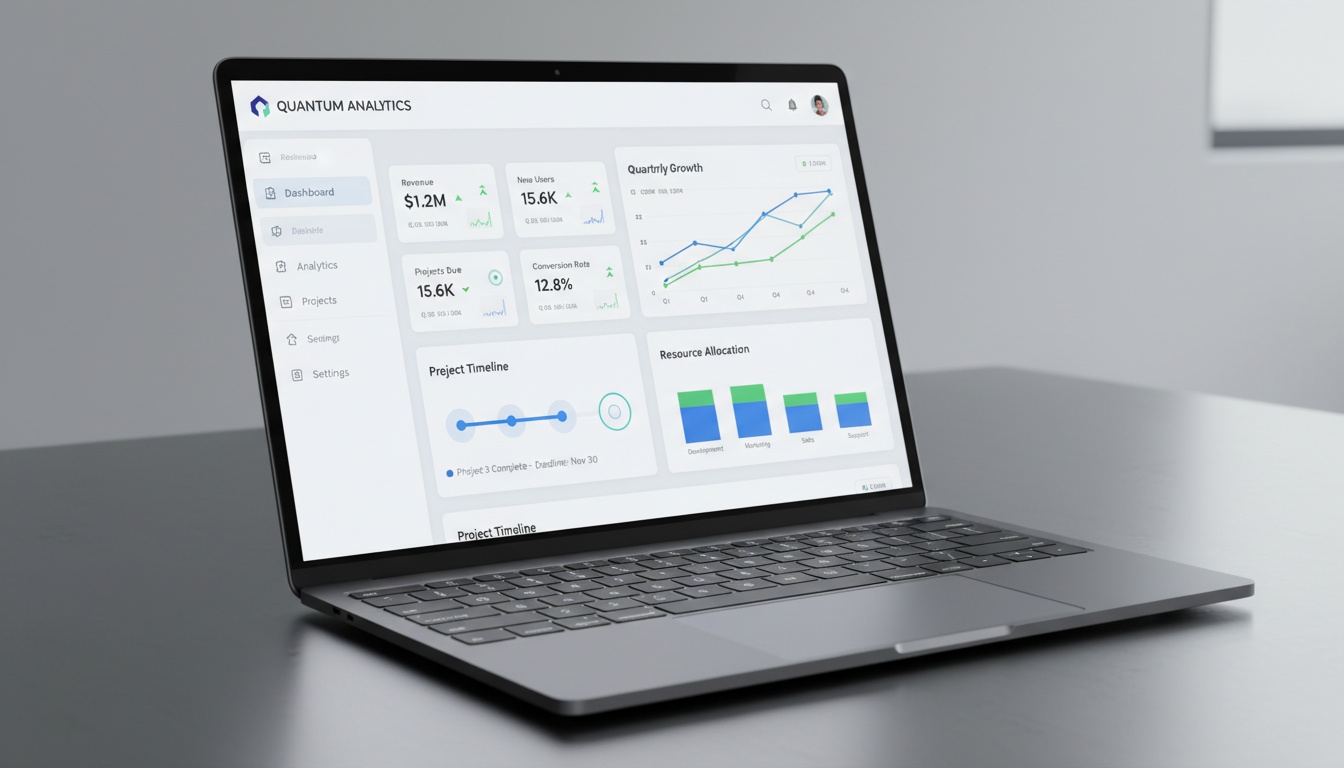
Business SaaS: The Definitive Guide to Software for Modern Enterprises
In today’s fast-paced digital landscape, business SaaS has emerged as a cornerstone for operational efficiency and innovation. The model, widely known as What is Software as a Service, delivers powerful functionalities over the internet, eliminating the need for complex on-premise installations. To stand out and attract customers in this crowded market, implementing robust strategies such as SEO for SaaS Companies is essential. This model empowers companies to access cutting-edge tools without significant upfront infrastructure investments. Therefore, understanding its comprehensive impact is crucial for any forward-thinking organization.
This article delves into the core aspects of enterprise-grade software solutions, exploring their benefits, diverse applications, and successful implementation strategies. Ultimately, it aims to provide a clear roadmap for leveraging cloud-based software to drive growth and achieve strategic objectives, benefiting from valuable B2B Marketing Insights.
What is Business SaaS? Understanding Software as a Service
Business SaaS refers to software applications hosted by a third-party provider and delivered to customers over the internet. Instead of purchasing and maintaining software licenses, users subscribe to the service, typically on a monthly or annual basis. This SaaS Subscription Billing model revolutionized how businesses acquire and utilize essential tools, making advanced technology accessible to a broader range of companies.
Essentially, the SaaS provider manages all aspects of the software, including hosting, maintenance, and security. Consequently, businesses can focus on their core competencies, rather than diverting resources to IT infrastructure. This fundamental shift simplifies software deployment and significantly reduces the total cost of ownership.
Key Characteristics of Modern SaaS Solutions
Modern software solutions are defined by several distinct attributes that differentiate them from traditional software. Firstly, they operate on a subscription basis, which offers predictable expenditure. Secondly, they are inherently cloud-based, ensuring accessibility from anywhere with an internet connection.
Furthermore, these platforms often provide automatic updates and maintenance, ensuring users always have access to the latest features and security patches. They are also highly scalable, allowing businesses to easily adjust their usage based on evolving needs. Therefore, this flexibility is a major advantage for growing enterprises.
Advantages of Adopting SaaS for Enterprises
Adopting cloud-based software offers a myriad of benefits that can significantly enhance a company’s operational framework. One primary advantage is cost-effectiveness; businesses can avoid large capital expenditures on hardware and software licenses. Instead, they convert these into manageable operational expenses.
Moreover, the accessibility of these platforms is unparalleled. Employees can work from any location, fostering greater flexibility and collaboration across distributed teams. This is particularly beneficial for businesses with remote staff or multiple global offices. Consequently, productivity often sees a considerable boost.
Scalability is another critical benefit. As a business grows, its software needs often expand rapidly. Cloud solutions can easily accommodate increased user numbers or data volumes without requiring extensive hardware upgrades. In addition, providers handle all system maintenance, updates, and security, freeing up internal IT resources.
Types of Business SaaS Applications
Cloud-based business applications span almost every functional area within an organization. From managing customer relationships to streamlining internal workflows, there’s a specialized tool for nearly every task. Understanding the breadth of these applications helps businesses identify areas for potential improvement and automation.
For example, Customer Relationship Management (CRM) tools manage interactions with current and prospective customers. Enterprise Resource Planning (ERP) systems integrate various functions like finance, HR, and supply chain. Consequently, these tools help in creating a unified operational view.
Common categories of these essential applications include:
- CRM Software: Salesforce, HubSpot CRM
- ERP Systems: SAP, Oracle NetSuite
- Human Resources (HR) Software: Workday, BambooHR
- Marketing Automation: Mailchimp, Marketo
- Project Management: Asana, Trello, Monday.com
- Communication & Collaboration: Slack, Microsoft Teams
Each category serves specific business needs, yet they often integrate to form a powerful ecosystem. Thus, selecting the right combination is vital for comprehensive coverage.
Implementing Business SaaS Successfully
Successful implementation of cloud software requires careful planning and execution. Firstly, businesses must thoroughly evaluate their specific needs and objectives. This involves identifying pain points and determining how a new solution can address them effectively. Therefore, a clear understanding of requirements is paramount.
Next, selecting the right vendor is crucial. Companies should assess factors such as features, pricing, security protocols, customer support, and integration capabilities with existing systems. Furthermore, a pilot program with a small group of users can help identify potential issues before a full rollout. This iterative approach minimizes risks and ensures a smoother transition.
Key considerations for a smooth transition include:
- Clear Objectives: Define what success looks like for the new software implementation.
- Stakeholder Buy-in: Ensure all relevant departments and management are on board.
- Data Migration Strategy: Plan carefully how existing data will be transferred to the new platform.
- Comprehensive Training: Provide adequate training for all users to maximize adoption and proficiency.
- Post-Implementation Support: Establish channels for ongoing support and feedback.
By following these steps, businesses can ensure that their new cloud-based tools are not just adopted, but truly leveraged for optimal performance and growth. This proactive approach ensures maximum return on investment.
The Future of Business Software
The landscape of cloud-delivered software is continuously evolving, driven by technological advancements. Emerging trends like artificial intelligence (AI) and machine learning (ML) are increasingly integrated into these platforms. Consequently, applications are becoming smarter, offering predictive analytics and automated workflows that enhance decision-making.
Moreover, the demand for hyper-personalization and industry-specific solutions is growing. Providers are developing highly tailored applications to meet niche market demands. Ultimately, the future promises even more intuitive, integrated, and intelligent software that will further streamline business operations and foster unprecedented innovation.
FAQ about Business Software as a Service
What exactly is business SaaS?
Business SaaS refers to software applications delivered over the internet on a subscription basis, where the provider hosts and maintains the infrastructure. This allows businesses to access powerful tools without managing the underlying technology.
Is business SaaS secure?
Reputable SaaS providers invest heavily in security measures, often exceeding what individual businesses can afford for on-premise solutions. They employ advanced encryption, regular audits, and robust disaster recovery protocols. However, it’s essential for businesses to choose vendors with strong security track records and to follow best practices for user authentication and data management.
How does business SaaS save money?
It saves money by eliminating large upfront costs for software licenses and hardware, converting capital expenditures into predictable operational expenses. Furthermore, it reduces IT maintenance costs, as the provider handles updates, upgrades, and support. This model also allows for flexible scaling, meaning businesses only pay for what they need.
Can small businesses use SaaS effectively?
Absolutely. SaaS is particularly beneficial for small businesses due to its lower entry cost, scalability, and ease of use. It provides access to enterprise-grade tools that might otherwise be out of reach, helping small businesses compete more effectively and manage their operations efficiently from day one.